When it comes to Thirteen Parsecs: Beyond the Solar Frontier rpg I've been looking to upgrade some of the cosmic beings within the rpg. And according to Brave's A.I. the Primal Order rpg supplement can easily handle this;" The Primal Order (TPO) is a roleplaying game supplement published by Wizards of the Coast in 1992, designed as a "capsystem" to provide a structured framework for incorporating deities and religious elements into existing roleplaying game systems. It is not a standalone game but rather a meta-framework that quantifies divine power using concepts like "primal energy," which is the most fundamental and powerful energy in the universe, capable of overriding magic, psionics, and physical forces. Gods in TPO are defined by their "primal base," a stable reserve of energy that determines their rank”ranging from Godling (100 points) to Supreme Deity (25,000 points) and their "primal flux," a daily allotment used to power transient divine abilities such as attacks, spells, and miracles."
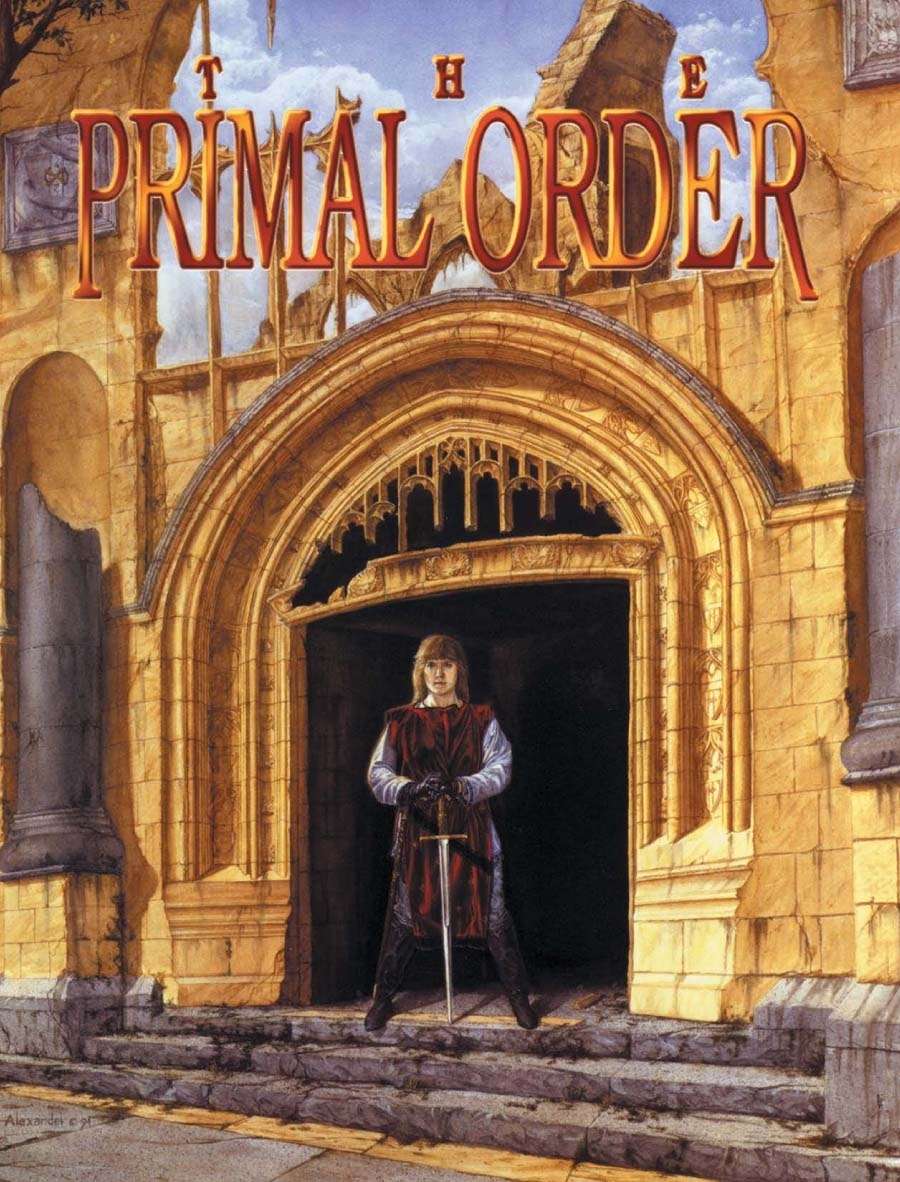
What the Primal Order offers Thirteen Parsecs: Beyond the Solar Frontier rpg a way of adding deeply into a way of explaining how those cosmic deities accumulate worshippers, cults, temples and more. This gets right back into how the 'cap system' can easily be added into a campaign with minimal effort according to Brave's A.I.; "The system explains how deities gain power through worshipers, temples, planes of existence, and the accumulation of primal base over time, with each rank requiring specific achievements like gaining a sphere of influence or controlling a home plane. It includes detailed guidelines for creating artifacts, designing pantheons, and developing religions, and offers conversion notes for nearly 20 different game systems, including AD&D, GURPS, and Rolemaster. The supplement is noted for its depth and innovation, being described as one of the most meatiest and useful RPG supplements ever published, though its emphasis on quantification may make it less suitable for games where deities are handled as literal, rule-free entities."
These systems goes deeply into the Primal Order rpg core mechanics; "The core mechanic of The Primal Order (TPO) revolves around primal energy, a force superior to magic that deities wield. This energy exists in two distinct forms:
Primal Base: A permanent, stable reservoir of power that defines a deity's rank and essence. It is used to create permanent changes like artifacts, bestow abilities, or alter reality. Base can only be lost through destruction or voluntary expenditure and grows slowly via a 1% annual "evolution" or rank advancement. Losing all base results in death unless the deity has a home plane for eventual regeneration.
Primal Flux: A daily, renewable energy pool used for temporary effects like attacks, spells, or miracles. Flux is generated each day at 10% of the deity's current base and is also gained from worshipers (square root of their number), temples, sacrifices, and controlled planes. Unused flux vanishes after 24 hours."
Inherent Divine Abilities can easily be added into the background of the Augmented class and this PC class becomes an NPC demigod and then minion of a god. Eventually becoming a fully fledged cosmic god and these basic deities abilities say volumes toward the basic cosmic god profile;
All deities possess innate, cost-free powers upon ascension:
Immortality: Immune to aging; true death only occurs if all primal base is destroyed.
Immune to Exhaustion: No need for sleep or rest.
Life Support: Requires no food, water, or air.
Immunity to Poison/Disease: Resistant to toxins and illnesses.
Environmental Immunity: Survives native plane conditions (e.g., a human deity endures extreme cold or heat).
Detect Primal Signature: Can sense the unique energy signature of other deities' primal use.

No comments:
Post a Comment
Note: Only a member of this blog may post a comment.